


Breathing life into matter: The art and craft of Chinese puppet animation
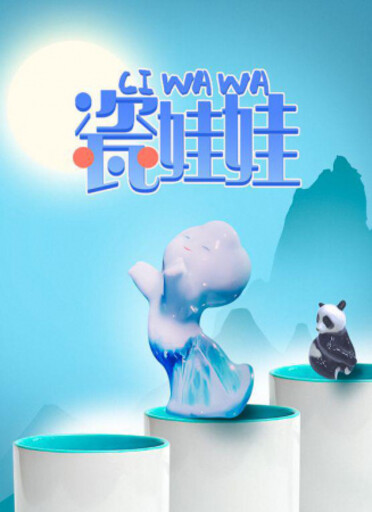
FILE PHOTO: A poster of “The Porcelain Doll”

FILE PHOTO: A poster of “The Story of Afanti”
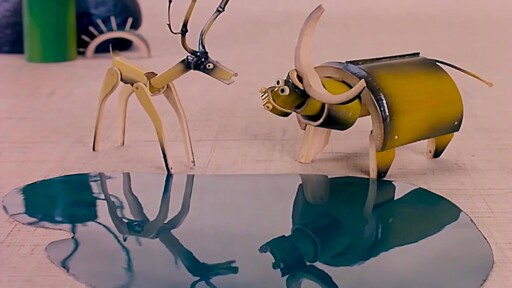
FILE PHOTO: A still from “The Deer and the Ox”
Puppet animation brings physical models to life through frame-by-frame stop-motion filming. As one of the earliest mature forms of Chinese animation, it helped shape the distinctive identity of the Chinese School of Animation through works such as “The Magical Pen,” “The Story of Afanti,” and “Zhu Bajie Eats Watermelon,” leaving a deep imprint on the cultural memory of several generations.
The distinctiveness of Chinese puppet animation is rooted in its profound material dimension and its strong folk-art roots. More than simply a form of animation, it is an artistic practice through which national cultural identity is constructed. The “deep time” perspective and materialist excavation advanced by media archaeology provide an effective framework for tracing its historical trajectory and underlying logic.
Cultural translation from puppet theater to puppet animation
Viewed through the deep-time perspective of media archaeology, the emergence of Chinese puppet animation can be traced along an evolutionary trajectory from the puppet as object, to puppet theater as performing art, and finally to puppet animation as an audiovisual medium. This development represents far more than a technological upgrade; it is a profound process of cultural translation and creative transformation.
The origins of puppetry can be traced to funerary figurines used in pre-Qin (prior to 221 BCE) sacrificial culture. By the Han Dynasty (206 BCE–220 CE), puppets had gradually evolved from sacrificial burial objects into instruments of entertainment and performance, giving rise to puppet theater. This transformation marked a shift from the puppet as a static symbolic object to a dynamic performance medium capable of carrying narrative across time and space.
In the 20th century, the introduction of film technology transformed China’s ancient puppetry tradition. While China’s first puppet animation, “The Emperor’s Dream,” still bore distinct traces of stage performance, later works such as “The Little Hero” began to explore a visual grammar distinctive to the medium. This process of remediation amounted to a reinterpretation and reconfiguration of the traditional cultural codes of puppet theater within the cinematic medium.
Specifically, this cultural translation unfolded across three dimensions. Technically, continuous motion was broken down into static frame-by-frame units, allowing material textures to be magnified and closely examined through the lens. Narratively, the stylized performances of the stage were reorganized through the montage language of cinema, creating a new rhythmic structure for visual storytelling. Perceptually, direct interaction between performer and audience in the theater gave way to the viewer’s contemplation of luminous images on the silver screen. Despite these changes in form, the puppet retained its essential role as a symbol of national culture, acquiring even greater communicative power through its new medium.
Material ontology of the puppet as a cultural vessel
The physicality of the puppet underpins its entire artistic expression, beginning with the distinctive visual character of puppet animation. Chinese artists have long embraced the principle of “exquisite materials and masterful craftsmanship.” Whether it is the elegant and resilient bamboo strips in “The Deer and the Ox,” the jade-like and lustrous ceramic in “The Porcelain Doll,” or the rustic and unadorned purple clay in “The Dispute,” the cultural connotations and aesthetic qualities inherent in these materials become integral to each work’s visual language and cultural identity. This sensitivity to material qualities reflects the Chinese artistic ideal of “studying things to acquire knowledge.”
Second, the materiality of the puppet determines the logic of its movement. Chinese puppet animation does not seek to simulate physical realism, but instead pursues an imagistic mode of expression grounded in material properties and construction techniques. The articulated joints of wooden puppets and the frayed edges of paper-cut animation—qualities born of material and technical constraints—give rise to a distinctive style combining mechanical beauty with a sense of living rhythm. This vividly illustrates the philosophical principle that essence and function are inseparable: The puppet as substance determines the boundaries and form of movement as function.
Thus, the puppet retains a distinct identity amid technological change. Across the transition from stage puppetry to film animation, and despite successive remediations of the medium, its core significance as a physical form has remained intact. Acting as a stabilizing force for cultural continuity, the puppet preserves and carries forward the nation’s aesthetic characteristics within the dynamic imagery of animation through its enduring material form.
Constructing national cultural identity across four aesthetic dimensions
Much of the distinctive cultural value of Chinese puppet animation lies in the way it systematically translates folk-art traditions into an aesthetic system specific to the medium, and in doing so contributes powerfully to the construction of modern national cultural identity. This process unfolds across four interconnected dimensions: material tradition, formal design, craftsmanship ethos, and performance convention.
In terms of material tradition, the choice of materials in Chinese puppet animation draws directly on local natural resources and traditional crafts. The use of bamboo, ceramic, purple clay, feathers, and other materials reflects both the creators’ deep understanding and skillful handling of material properties and, at a deeper level, an identification with the Chinese nation’s living environment and traditions of craftsmanship. Through their physical qualities and cultural associations, these materials make a quiet but tangible cultural statement, grounding the works’ national identity in material form.
In terms of formal design, the visual imagery of Chinese puppet animation is deeply rooted in folk-art traditions, with distinctive decorative and symbolic features. For example, “The Ginseng Baby” draws on the plump child figure of Yangliuqing New Year paintings, investing the character with auspicious associations, while “The Ox’s Grievance” adopts the bold, block-based visual language of northern Shaanxi paper-cutting, giving it a simple yet rugged aesthetic. By refining and creatively reworking familiar cultural symbols, these works tap into aesthetic patterns embedded in the collective consciousness, strengthening a sense of cultural belonging through visual form.
The craftsmanship ethos keeps artisanal knowledge alive through practice. From the intricate processes of roughing, shaping, carving, polychroming, and facial detailing used to create wooden puppet heads to the distinctive “fraying” technique developed in paper-cut animation to evoke an ink-wash effect, the production of puppet animation itself carries traditional handicrafts forward while renewing them for a new era. This exacting pursuit of craftsmanship not only ensures the artistic quality of the works, but also turns animation production into a contemporary arena for transmitting the spirit of craftsmanship and revitalizing intangible cultural heritage.
In terms of performance convention, Chinese puppet animation inherits and reworks the stylized physical language of traditional Chinese opera. Animators break down these performance conventions—which embody the nation’s collective bodily memory and cultural rhythms—into discrete units of movement that can be manipulated frame by frame. Audiences, meanwhile, intuitively recognize the familiar rhythms encoded in these movements, producing aesthetic resonance and a synesthetic experience that crosses media boundaries. More than a simple transfer of technique, this process embeds and carries forward shared emotional and behavioral patterns within moving images.
These four dimensions intertwine to form the distinctive aesthetic system of Chinese puppet animation, making it an important artistic vehicle for the expression and construction of national identity.
The practice of Chinese puppet animation reveals that cultural vitality lies in continual transformation rather than rigid preservation. By “embodying the Dao in material form,” it offers innovative pathways for endangered folk crafts to enter contemporary narratives; through its mature aesthetic system, it asserts a clear cultural identity within the global visual landscape, making puppet animation a powerful means of constructing national cultural identity.
Zheng Lihong is a professor from the School of Art at Soochow University. Meng Qingchao is from the Department of Cultural Heritage and Museology at Fudan University.
Copyright©2026 CSSN All Rights Reserved