


Emotional consumption requires boundaries, limits
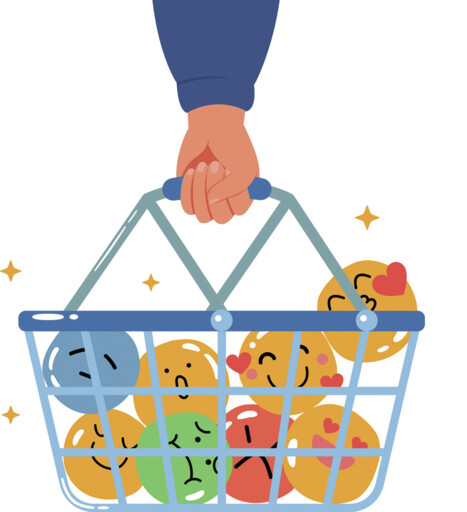
Emotional consumption is neither simply a consumerist trap nor an inherently positive new economic form. Photo: IC PHOTO
In recent years, emotional consumption has attracted widespread attention as a new social phenomenon. It is not simply a form of “impulsive” or “irrational” consumption, but the result of changes in social structure, mounting pressures in individual lives, the restructuring of social relations, and shifts in consumer culture.
When purchasing goods or services, consumers are increasingly moving beyond a focus on “value for money” toward greater concern with “emotional value for money.” This reflects people’s aspirations for a better life, while also revealing problems prevalent in modern society, including loneliness, anxiety, uncertainty over identity, and weakening social ties. Understanding the social foundations of emotional consumption and giving full play to its positive functions therefore merits closer examination.
Moderate emotional consumption can help individuals alleviate anxiety, regulate their emotions, and strengthen social connections and a sense of group identity. More importantly, it can encourage socioeconomic development to place greater emphasis on how people feel. Traditional market logic tends to prioritize price, efficiency, and scale, whereas emotional consumption reminds businesses and service providers to pay greater attention to consumers’ experiences, dignity, and psychological needs. Whether in catering, tourism, retail, or public services, creating warmer environments and providing more attentive emotional responses can help improve service quality. In this sense, emotional consumption may also promote the development of social services in a more refined and human-centered direction.
At the same time, despite its positive value, emotional consumption also carries certain risks and challenges. First, the excessive commodification of emotional needs can lead to targeted profiling and commercial exploitation of emotional anxieties, affecting social attitudes and creating new forms of uncertainty. Emotions are inherently part of people’s inner lives and social relationships, yet in emotional consumption, comfort, companionship, recognition, and healing can all be packaged as commodities for sale.
Second, excessive emphasis on “paying for emotions” can create the risk of “cultural hollowing-out” and cause consumption to lose sight of substance in favor of appearances. Emotional consumption depends heavily on symbols and narratives, yet some products offer little more than superficial impressions of cuteness, healing, and relaxation, while lacking genuine cultural substance or rigorous quality control. As a result, product quality and safety may be overlooked.
Third, emotional consumption can itself become an “emotional burden,” obscuring deeper social problems. To some extent, social media platforms amplify both the performative dimension of consumption and the fleeting pleasure associated with emotional gratification. Some individuals consequently experience psychological and financial pressure after excessive consumption, with what begins as a form of self-reward turning into anxiety, burden, and even self-denial.
Emotional consumption therefore requires boundaries and limits. It is neither simply a consumerist trap nor an inherently positive new economic form. It can serve as a supplement, but cannot replace genuine interpersonal support, psychological development, or social participation. When individuals experience stress, loneliness, excitement, or impulsive emotions, they need to break away, at least temporarily, from habitual patterns of seeking emotional comfort through consumption and strengthen their capacity for emotional regulation and relationship management. This means looking inward through self-cultivation and the development of greater psychological resilience, while also looking outward by communicating more and strengthening social connections, rather than relying excessively on paid consumption to satisfy emotional needs.
As companionship, listening, and care increasingly take paid forms, interpersonal relationships risk being redefined by prices and service rules. Any of us may become an active participant in the current wave of emotional consumption, but we should also recognize clearly that while consumption can help regulate emotions, it cannot replace authentic relationships, public support, or personal growth.
Liu Wei is a professor from the School of Philosophy and Sociology at Jilin University.
Editor:Yu Hui
Copyright©2023 CSSN All Rights Reserved