


Audience insights shape content with AI power
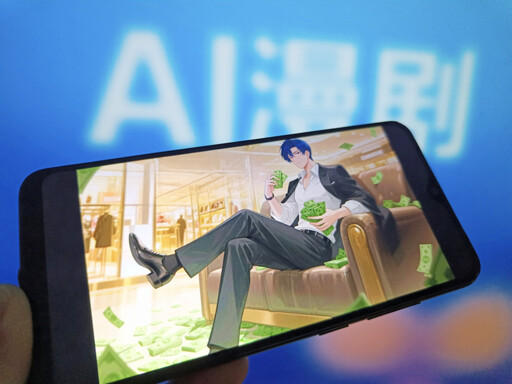
AI tools now handle every stage of producing animated short dramas: scriptwriting, storyboarding, character modeling, and voice synthesis. Photo: IC PHOTO
The integration of AI into the film and TV industry has led creators to place greater value on audiences than ever before. With the assistance of AI technology, today’s creators can accurately identify the needs and preferences of target audiences from the earliest stages of production and make corresponding adjustments to script structure, visual style, character design, and other dimensions. Drawing on big data, AI can also analyze audience preferences, viewing habits, and other behavioral patterns, thereby enhancing audience engagement.
First, audience feedback on film and TV content can be captured, distilled, and applied by creators with much greater efficiency, becoming a basis for future productions. Through data mining, AI can extract patterns from audience interactions, including real-time comments and behavioral traces such as skipping ahead or rewatching scenes, and incorporate these insights into the creative process. This can help improve audience satisfaction with film and TV works.
Beyond content creation, AI can also provide audiences with more personalized recommendations. Tailored content recommendations for film and TV audiences are not entirely new to the AI era, as Recommended for You lists generated from users’ viewing history have already become standard on most streaming platforms and apps. The intervention of AI has further improved the precision of these recommendation systems. Drawing on big data from group behavior and the micro-level behavioral traces of individual users, intelligent recommendation engines can use customized algorithms to generate highly relevant personalized lists from vast libraries of audiovisual content, responding more accurately to viewers’ preferences and further improving audience satisfaction.
During the viewing process, the efficiency of tracking audience behavior and the speed of adjusting content based on audience feedback are continuously improving. With the support of real-time data mining, such feedback can be captured and processed more quickly and effectively by creative teams, even enabling dynamic adjustments to film and TV content. Before AI became fully integrated into film and TV production, some studios had already begun to incorporate audience feedback into their creative workflows. With AI now embedded in the process, algorithms can capture and analyze online commentary within seconds, grasp audience reactions, and treat them as key variables in adjusting storylines, swiftly feeding these insights into the next stage of creation.
While generating new visual and textual content, AI is also reshaping the logic of interaction between audiences and works, making emotional experience and real-time feedback more immediate. Major streaming platforms have already introduced intelligent conversation agents, narrowing the psychological distance between audiences and narrative characters.
AI technology is also enhancing the viewing experience for audiences with special needs. Through intelligent speech and image description, AI can construct an audible and perceptible screen world for visually impaired viewers, helping them follow scene transitions, plot developments, and character interactions in audiovisual content. At the same time, it can optimize subtitle generation systems, enabling functions such as real-time multilingual subtitle conversion and customized special-effect subtitles for hearing-impaired viewers, allowing audiences with different needs to enjoy film and TV works without barriers.
If AI tools become more widely accessible and easier to use in the future, and if technical challenges such as maintaining character consistency and generating content efficiently can be overcome, even non-professionals will be able to participate in the full creative process—from initial concept to finished work—in a short time. This will enable a subset of viewers to formally enter the field of film and TV creation. They will be able to use AI tools to build fantasy worlds of their own and express their innermost emotions. At that point, the technical barriers to film and TV creation will be thoroughly dismantled, giving ordinary viewers the means to realize their creative aspirations. Much as online literature revolutionized the landscape of literary creation, this shift will reshape the creative ecosystem of the film and TV industry. Once technical barriers recede, genuine creative ingenuity, distinctive content, and sincere emotional expression will become the most valuable core elements of film and TV creation.
Xu Hang is an associate professor from the Department of Film Studies at Beijing Film Academy.
Editor:Yu Hui
Copyright©2023 CSSN All Rights Reserved